
Quality
Product sample approval before a production order
A sample approval checklist for comparing factories, recording changes and turning one good sample into a repeatable production standard.
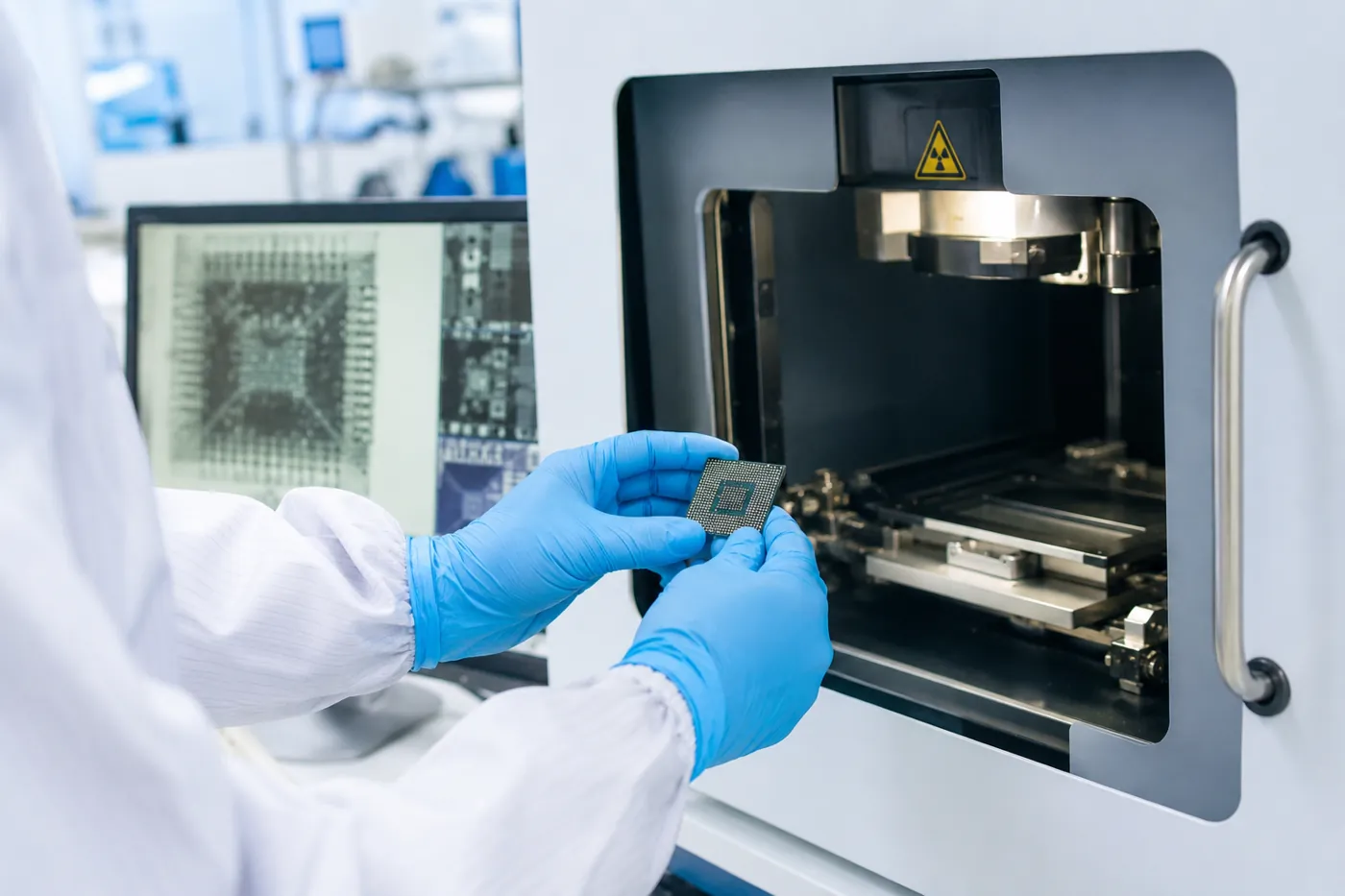
A sample is a decision tool, not a souvenir
The point of a sample is to test whether the product and supplier are ready for production. It should answer specific questions about material, dimensions, finish, function, packaging and presentation. If the buyer simply says that a sample “looks good”, the factory still has room to interpret what must be repeated.
Before ordering samples, send the same brief to each shortlisted factory. Ask whether the sample is made on the intended production line and whether any material or process will change for the batch. A handmade sample may demonstrate an idea but not production consistency.
Compare like with like
Label every sample with the supplier, model, date and version. Use one checklist for all of them. Record measurements, weight, materials, colour, surface finish, assembly, accessories, markings and packaging. Test the product in the way a customer or operator will use it.
Photograph important details under consistent lighting and keep written notes. When several people review the sample, collect their comments into one approved revision list. Conflicting messages from different team members create avoidable changes and delays.
Turn feedback into specifications
Comments such as “make it stronger” or “improve the colour” are difficult to reproduce. Convert them into a material change, dimension, colour reference, test result or approved comparison sample. Ask the factory to confirm each revision in writing and update the drawing, bill of materials or packaging artwork.
If a change affects tooling, price or lead time, request the impact before approving it. Number the revisions so the purchase order, factory and inspection team can identify the current version.
Create the golden sample
Once the product is accepted, define the approved reference. For physical characteristics, keep matched samples with the buyer and factory when practical. Sign or seal them, record photographs and link them to the final specification. For machines or custom equipment, use an acceptance protocol, drawing set and test video instead.
Packaging needs its own approval. Confirm artwork, barcode, manual, accessories, carton strength, carton marks and packing quantity. A correct product in incorrect packaging can still fail at customs, in a warehouse or on a retail shelf.
Use the sample in production control
The approved sample does not replace inspection. It gives the inspection team a reference for colour, finish, assembly and packaging. The checklist should still include measurable tests and a sampling plan for the batch.
Keep a record of every approved change after the sample. Production should not begin until the final version, price and lead time are accepted. This discipline is especially important for private-label goods, where packaging and product revisions often happen at the same time.